
Where to Buy Dranks Disposable in Bulk: A Guide for Vape Wholesalers
Where to Buy Dranks Disposable in Bulk: A Guide for Vape Wholesalers When you’re sourcing disposable vape hardware for your
If you are sourcing empty disposable hardware for a vape brand, oil business, or wholesale operation, the lowest unit price is rarely the only number that matters. A device that looks inexpensive on a quotation can quickly become costly when you factor in inconsistent quality, high defect rates, delayed shipping, packaging problems, or regulatory complications.
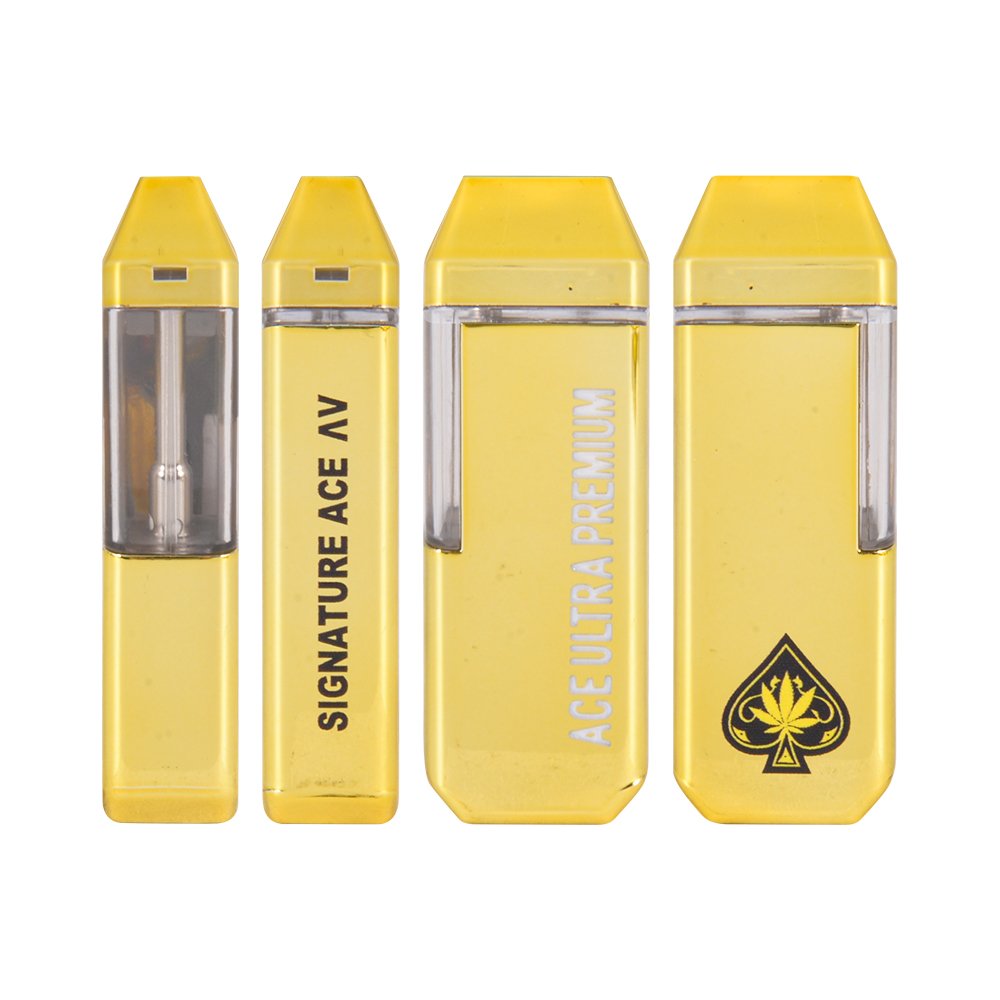
That is especially relevant when researching products described in the market as ace ultra 2g, ace ultra premium dispos, or ace 2g disposable wholesale hardware. Buyers comparing these types of devices should take a structured approach to sourcing, with particular attention to supplier verification, technical specifications, quality assurance, and total landed cost.
The following framework can help you make a more informed wholesale purchasing decision.
Before contacting suppliers, define exactly what you need.
“2g disposable device” can describe several different hardware configurations, so relying on a product name alone may create misunderstandings. Two factories advertising apparently similar devices may use different batteries, heating elements, materials, charging components, or internal structures.
Your purchasing specification should ideally cover details such as device capacity, battery capacity, charging interface, heating technology, resistance range, housing material, oil-contact materials, dimensions, packaging format, and customization requirements.
If you are researching ace ultra 2g hardware, ask the supplier to provide a complete specification sheet rather than relying only on product photos or marketing descriptions.
This makes quotations easier to compare and gives your quality-control team measurable standards to inspect against later.
Wholesale pricing becomes much less meaningful if the supplier cannot consistently deliver what was promised.
Before placing a production order, confirm basic company information and manufacturing capabilities. Depending on your market and internal compliance requirements, this may include reviewing business registration details, factory information, quality-management procedures, testing documentation, production capacity, and export experience.
You should also determine whether you are dealing directly with a manufacturer or with a trading company.
Neither structure is automatically better. A manufacturer may provide greater control over customization and production, while an experienced trading company may offer easier communication and access to multiple factories. The important thing is knowing who is responsible for production and quality.
When comparing suppliers offering ace ultra premium dispos or similar empty disposable devices, consistent documentation and transparent communication are generally more useful indicators than an unusually low quotation.
One of the easiest sourcing mistakes is comparing two prices that include different things.
For example, Supplier A may quote only the device cost, while Supplier B includes individual packaging, logo printing, accessories, and export cartons. At first glance, Supplier A looks cheaper even though the final landed cost could be higher.
When requesting ace 2g disposable wholesale pricing, ask every supplier to quote according to the same purchasing conditions.
Wholesale prices normally change according to order quantity.
Ask for several quantity tiers—for example, sample quantities, entry-level production quantities, and higher-volume orders. This allows you to understand how quickly the unit cost falls as volume increases.
Do not assume that immediately ordering the highest quantity is automatically more economical. Testing a smaller production run can reduce risk if you are working with a new supplier.
Your quotation should clearly state whether the price includes standard packaging, customized packaging, logo application, charging components where applicable, export cartons, testing, and other requested services.
You should also confirm the Incoterm being quoted, such as EXW, FOB, or another agreed shipping term.
Without this information, comparing wholesale prices accurately becomes difficult.
Product images cannot tell you how consistently a device performs.
Samples give you an opportunity to inspect physical construction, assembly consistency, charging behavior, airflow, heating performance, seals, and general workmanship before committing to a larger order.
For empty hardware intended to be compatible with oils or other legal formulations permitted in your market, compatibility testing is particularly important. Different formulations can have significantly different viscosity and chemical characteristics.
A device that works well with one formulation may not perform identically with another.
Your own technical team should therefore evaluate samples under the actual conditions expected for your intended lawful application.
Quality control should not begin after the shipment arrives.
Before mass production, agree with the supplier on the characteristics that will be inspected and the acceptable standards for each one. Written criteria reduce ambiguity if quality problems occur.
Typical inspection areas for empty disposable hardware may include appearance, dimensions, battery operation, charging function, electrical characteristics, assembly, leakage resistance, airflow, heating components, packaging accuracy, and labeling.
You may also consider arranging pre-shipment inspection through your own team or an independent inspection company.
Even when sourcing products marketed as ace ultra 2g, brand terminology should never replace measurable quality specifications.
Suppose one supplier offers a device for several cents less than another. That difference may look significant across thousands of units.
However, the cheaper quotation can lose its advantage if the order has a higher defect rate, requires expensive rework, uses inefficient packaging, or generates additional freight costs.
A more useful calculation is total landed cost.
This can include the product price, packaging, customization, inspection, freight, insurance, import duties, taxes, brokerage fees, warehousing, and expected losses from defective units.
Looking at the complete cost structure gives you a much more realistic picture of which supplier represents better value.
Product names used by wholesalers do not necessarily mean that every supplier offering similarly styled hardware is authorized to manufacture or sell a particular branded product.
If you plan to purchase devices carrying third-party names, logos, packaging designs, or other protected intellectual property, confirm the supplier’s authorization and your right to distribute those products in your target market.
For many buyers, private-label hardware with clearly documented ownership and customization rights can provide a simpler sourcing structure.
Either way, intellectual-property verification should be part of your supplier due-diligence process rather than an afterthought.
Vape hardware is regulated differently across jurisdictions, and requirements can change.
Depending on where you manufacture, import, distribute, or sell your products, rules may apply to device design, batteries, labeling, packaging, product registration, transportation, environmental responsibilities, age restrictions, and marketing.
You should verify the requirements that apply to your specific business and destination market before placing an order.
Do not assume that documentation accepted in one country automatically satisfies another country’s requirements.
For international buyers, regulatory checks should happen early in the sourcing process because compliance requirements can influence product specifications, packaging, shipping methods, and overall cost.
Once you find a supplier that meets your technical, quality, commercial, and compliance requirements, consistency often matters more than constantly chasing the lowest available quotation.
Maintain clear records of approved samples, specification sheets, packaging files, inspection standards, production batches, and quality issues.
For repeat purchases of ace ultra premium dispos or comparable empty devices, these records can help you identify changes between production runs and resolve problems more efficiently.
Reliable communication also makes forecasting and inventory planning easier for both sides.
Sourcing ace ultra 2g disposable hardware at wholesale prices involves much more than asking several factories for their lowest unit cost. You need to compare equivalent specifications, verify suppliers, test samples, establish clear quality standards, calculate total landed cost, and confirm the regulatory and intellectual-property requirements relevant to your market.
Whether you are researching ace 2g disposable wholesale options for a brand, distribution business, or other lawful commercial application, a disciplined sourcing process can help reduce costly surprises. The most useful wholesale supplier is ultimately the one that can consistently meet your documented requirements—not simply the one displaying the smallest number on the first quotation.
Get A Free Quote
Related blogs
Where to Buy Dranks Disposable in Bulk: A Guide for Vape Wholesalers
Where to Buy Dranks Disposable in Bulk: A Guide for Vape Wholesalers When you’re sourcing disposable vape hardware for your
Sample Disposable Vape Guide: How to Test Vape Hardware Before Bulk Ordering
Choosing the right disposable vape hardware can have a major impact on the performance and consistency of your finished product.
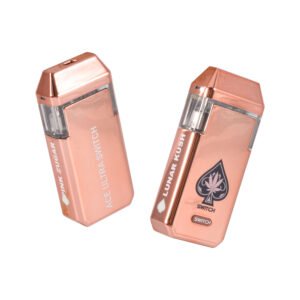
Ace Ultra Switch 2g Device: What Wholesale Buyers Should Know?
Ace Ultra Switch 2g Device: What Wholesale Buyers Should Know? If you source empty vape hardware for a brand, oil