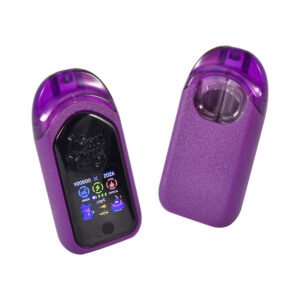
When researching disposable vape hardware, you may notice that prices can vary considerably, even between devices with seemingly identical specifications. Two products might feature the same capacity, similar designs, and rechargeable batteries, yet have noticeably different manufacturing costs.
So, what causes these differences?
Understanding the factors behind the Wizard Trees Disposable 2G Bulk Price requires looking beyond the device’s external appearance. From heating technology and battery specifications to packaging and quality inspections, numerous elements contribute to the overall cost of empty hardware.
Whether you’re a brand owner, oil supplier, or hardware industry professional, this guide explains the main factors influencing the cost of 2-gram disposable vape devices.
1. Hardware Materials and Construction
The materials used in disposable vape hardware directly influence its manufacturing cost.
Although two devices may look almost identical from the outside, their internal construction can differ significantly.
Housing and Internal Components
Common hardware components include:
- Plastic or metal outer housings
- Internal oil reservoirs
- Mouthpieces and sealing components
- Electrical circuits
- Heating elements
Material selection, dimensional accuracy, manufacturing tolerances, and assembly complexity all contribute to production costs.
More elaborate housing designs may also require additional tooling and manufacturing processes. These differences are not always visible when you examine the finished device.
2. Heating Technology and Coil Design
The heating element is one of the most technically significant components of disposable vape hardware.
When examining the specifications of a wizard trees 2g disposable, you may encounter references to ceramic heating elements, coil resistance, and different internal heating structures.
Manufacturing costs can vary depending on:
- Heating element materials
- Ceramic component manufacturing processes
- Electrical resistance tolerances
- Internal assembly complexity
- Component testing requirements
Different heating structures may also have different material compatibility limitations. A device’s reservoir capacity alone does not establish its suitability for a particular formulation.
Laboratory testing and documented technical specifications provide more meaningful information than appearance or marketing descriptions.
3. Battery Capacity and Electronic Features
The battery represents another significant portion of a disposable device’s hardware cost.
However, battery capacity is only one part of the equation. The quality of the electrical components, protective circuitry, and manufacturing consistency also influences production expenses.
Rechargeable Battery Systems
Rechargeable disposable hardware generally contains additional electronic components, including charging ports and charging-control circuits.
Features that can influence manufacturing costs include:
- Battery capacity and construction
- USB-C charging components
- Electrical protection circuits
- Activation sensors
- Indicator lights
- Digital display systems
Each additional electronic feature introduces material, assembly, and testing requirements.
Battery safety and electrical reliability are particularly important considerations because manufacturing defects can create overheating, short-circuiting, and other safety risks.
4. Reservoir Capacity and Internal Structure
A 2-gram disposable device typically requires a different internal configuration from smaller-capacity hardware.
However, increasing reservoir capacity involves more than simply enlarging the storage chamber.
Engineers must consider the relationship between reservoir dimensions, sealing structures, airflow channels, battery placement, and heating components.
When you encounter the term 2 gram disposable cart bulk, remember that nominal capacity does not necessarily describe the device’s complete technical specifications.
Additionally, grams measure mass, while milliliters measure volume. The relationship between these measurements depends on the density of the intended contents.
Manufacturing complexity can therefore vary even among devices advertised with the same nominal capacity.
5. Exterior Design and Packaging
The external appearance of disposable hardware can also affect its production cost.
A straightforward molded housing generally involves different manufacturing processes from a device featuring complex shapes, multiple surface finishes, or integrated electronic displays.
What Influences Packaging Costs?
Packaging-related expenses may include:
- Printed boxes
- Protective internal trays
- Surface finishing
- Product identification labels
- Traceability information
- Required safety notices
Customized designs may involve separate tooling, printing preparation, and intellectual property authorization expenses.
For branded hardware, it is important to distinguish between officially authorized products and independently manufactured devices featuring similar visual elements. Branding alone does not establish authenticity.
6. Production Volume and Manufacturing Expenses
Production volume is another variable affecting the reported Wizard Trees Disposable 2G Bulk Price.
Manufacturers typically face a combination of fixed and variable expenses.
Fixed expenses may include mold development, engineering work, equipment preparation, and production-line setup. Variable expenses include raw materials, electronic components, assembly labor, and packaging.
The distribution of these expenses changes depending on production volume, manufacturing conditions, and component availability.
This helps explain why manufacturing costs are not necessarily identical across production batches, even when the finished hardware appears unchanged.
7. Quality Control and Product Testing
Quality control is an important but sometimes overlooked part of hardware manufacturing costs.
Empty disposable devices contain several interconnected mechanical and electrical components. Defects in any of these areas can affect product reliability and safety.
Common manufacturing inspections include:
- Battery and electrical safety testing
- Heating element resistance measurements
- Reservoir sealing inspections
- Airflow consistency checks
- Charging circuit inspections
- Material and component verification
Testing requires equipment, trained personnel, documented procedures, and additional production time.
It is also worth noting that testing empty hardware does not establish the safety of a finished, filled vaping product. Additional assessments may be necessary depending on the intended contents and applicable regulations.
8. Transportation and Regulatory Compliance
Manufacturing costs represent only one portion of the overall cost associated with disposable vape hardware.
Transportation, documentation, applicable duties, regulatory requirements, and battery handling restrictions can introduce additional expenses.
Even when devices are supplied without liquid, their classification may still be affected by local vaping-product regulations and lithium battery transportation requirements.
These requirements differ between jurisdictions and may change over time.
Consequently, the advertised hardware price should not be confused with the complete cost of manufacturing, distributing, or legally introducing a product into a particular market.
Conclusion
The Wizard Trees Disposable 2G Bulk Price is influenced by much more than reservoir capacity or exterior design. Materials, heating technology, battery construction, manufacturing complexity, packaging, quality control, and regulatory requirements all contribute to the overall cost.
Understanding these factors gives you a clearer picture of how empty disposable vape hardware is manufactured and why prices vary between apparently similar devices. Ultimately, documented specifications, product authenticity, electrical safety, and regulatory compliance provide essential context when evaluating hardware costs within the vaping industry.