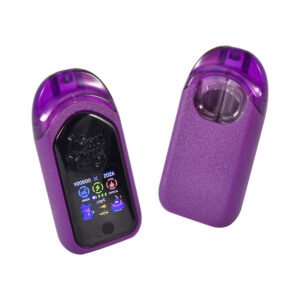
What to Look for When Buying Muha Meds Giveaway 2026 Disposable Hardware in Bulk?
Buying disposable vape hardware in bulk might seem straightforward. You find a device, check the price, place an order, and you’re done. But when you’re purchasing hundreds or thousands of units, there’s a little more to consider.
For brand owners, oil suppliers, and vape wholesalers, hardware quality can influence everything from production efficiency to product consistency. A device that looks impressive in photos might not perform as expected when tested with your formulation.
Searches for muha meds giveaway 2026 and Muha Meds-inspired disposable designs have also brought attention to different device styles and configurations. However, a search term or promotional-looking product listing doesn’t necessarily confirm an official giveaway or authorized collaboration.
So, how do you evaluate empty disposable hardware without getting distracted by appearances? Here are the key factors worth checking before you commit to a bulk order.
1. Understand What You’re Actually Buying
First things first: make sure you understand the difference between empty disposable hardware and finished vape products.
A completed muha meds 2g disposable typically refers to a device containing a formulation, while empty disposable hardware is supplied without oil or liquid.
For commercial buyers, that distinction matters.
Empty hardware generally includes components such as:
- An integrated battery and heating element
- An empty reservoir or chamber
- A mouthpiece and exterior housing
- Airflow and activation components
- A charging connection, where applicable
Before purchasing, request a complete product specification sheet.
Pay particular attention to whether the advertised 2g capacity refers to the usable reservoir volume or simply a product category. These aren’t always interchangeable.
You should also confirm exactly which components are included and whether additional filling or sealing equipment is required.
2. Check Battery Quality and Electrical Safety
Battery specifications matter more than appearance
A sleek design is nice, but dependable electrical performance deserves more attention.
When examining bulk disposable hardware, ask the supplier about battery capacity, operating voltage, charging protection, and manufacturing consistency.
If the device uses a rechargeable battery, check whether the charging system has appropriate safety protections.
Useful documentation may include electrical test reports, battery transport information, and evidence of compliance with applicable standards.
Look beyond the sample unit
One functioning sample doesn’t guarantee that an entire production batch will behave the same way.
Ask how the manufacturer evaluates battery consistency across production lots. You should also understand its procedures for identifying defective batteries and handling quality complaints.
Reliable documentation is more valuable than unsupported claims about exceptional battery performance.
3. Evaluate Chamber Construction and Material Compatibility
When assessing empty hardware associated with muha meds dispos, the reservoir and heating assembly deserve careful attention.
Different formulations have different physical properties, including viscosity and chemical compatibility requirements. Not every device is appropriate for every formulation.
Before approving a device for production, review its documented material specifications and intended operating conditions.
Questions worth investigating include whether the reservoir materials are compatible with the intended formulation, whether component seals remain stable during storage, and whether the manufacturer provides relevant emissions or materials-testing documentation.
Avoid assuming that a device is suitable simply because another supplier sells a similar-looking model.
Where appropriate and legally permitted, compatibility evaluation should be performed by qualified personnel using controlled testing procedures.
4. Examine Design, Branding, and Product Authenticity
Appearance is only one part of product evaluation
Special-edition styling can attract attention, especially when buyers encounter names such as muha meds golden hour edition.
However, a distinctive housing color, decorative finish, or recognizable logo doesn’t prove that a device is genuine, authorized, or manufactured to a particular standard.
Ask the supplier whether the design is officially licensed and whether it can provide written documentation supporting any brand affiliation.
If you’re developing your own product line, prioritize original designs or properly authorized branding rather than copying protected artwork or trademarks.
5. Review Manufacturing Quality and Batch Consistency
Imagine receiving a carefully assembled sample, only to discover that the full shipment uses different components.
Unfortunately, inconsistencies between samples and production batches are a risk in many hardware supply chains.
That’s why quality assurance should be part of every wholesale evaluation.
Look for manufacturers that can explain their inspection procedures, including:
- Incoming component inspections
- Battery and electrical safety checks
- Housing and assembly inspections
- Lot identification and traceability
- Defect handling and corrective action procedures
Ask whether production samples can be traced to specific manufacturing lots.
It’s also worth requesting documentation of the manufacturer’s quality management procedures.
A written inspection plan helps you understand what is actually being checked instead of relying solely on general promises about quality.
6. Compare Bulk Costs Without Ignoring Hidden Expenses
The lowest unit price isn’t always the lowest total cost
Bulk hardware pricing can vary depending on device configuration, order quantity, packaging, customization, and shipping arrangements.
When comparing quotations, evaluate the complete landed cost rather than looking at the advertised price alone.
Additional expenses may include international freight, customs charges, independent inspections, product testing, storage, and defective-unit replacement.
For example, a seemingly inexpensive shipment may become considerably more costly if significant numbers of devices require replacement.
Clarify commercial terms in writing
Before entering a supply agreement, confirm minimum order quantities, payment terms, production lead times, warranty conditions, and responsibility for defective merchandise.
You should also understand what happens if delivered specifications differ from the approved samples.
Clear agreements make supplier relationships easier to manage and reduce the chance of unexpected disputes.
7. Don’t Overlook Regulations and Documentation
Disposable vape hardware may be subject to different legal requirements depending on its intended use and destination market.
Even when devices are supplied empty, relevant rules can cover electrical safety, lithium battery transportation, labeling, importation, marketing, and distribution.
Where finished products involve nicotine or cannabis, additional licensing and product-specific restrictions may apply.
You should verify these obligations with qualified compliance professionals before importing or distributing hardware.
For businesses evaluating products under searches such as muha meds giveaway 2026, it is especially important to distinguish between an empty component, an authorized branded product, and a completed regulated product.
They may have very different legal requirements.
Conclusion: Make Quality and Verification Your Priorities
Buying disposable hardware in bulk requires more than finding an appealing design or an attractive quotation.
Whether you’re researching a muha meds disposable, exploring Muha Meds-inspired device styles, or comparing empty hardware for a commercial product line, focus on documented specifications, manufacturing consistency, material compatibility, and supplier transparency.
At VapodBulk, the emphasis is on empty disposable hardware without liquid. For businesses evaluating this product category, careful technical review and regulatory verification should come before any large purchasing commitment.
The takeaway is simple: good bulk purchasing decisions start with reliable information, clear documentation, and an understanding of the risks—not promotional claims alone.