
Sample Disposable Vape Guide: How to Test Vape Hardware Before Bulk Ordering
Choosing the right disposable vape hardware can have a major impact on the performance and consistency of your finished product.
If you source empty vape hardware for a brand, oil business, distribution company, or wholesale operation, product appearance is only one part of the buying decision. What matters just as much is how the hardware is configured, whether it matches your filling workflow, how consistently it performs across a production batch, and whether the supplier can provide the documentation you need.
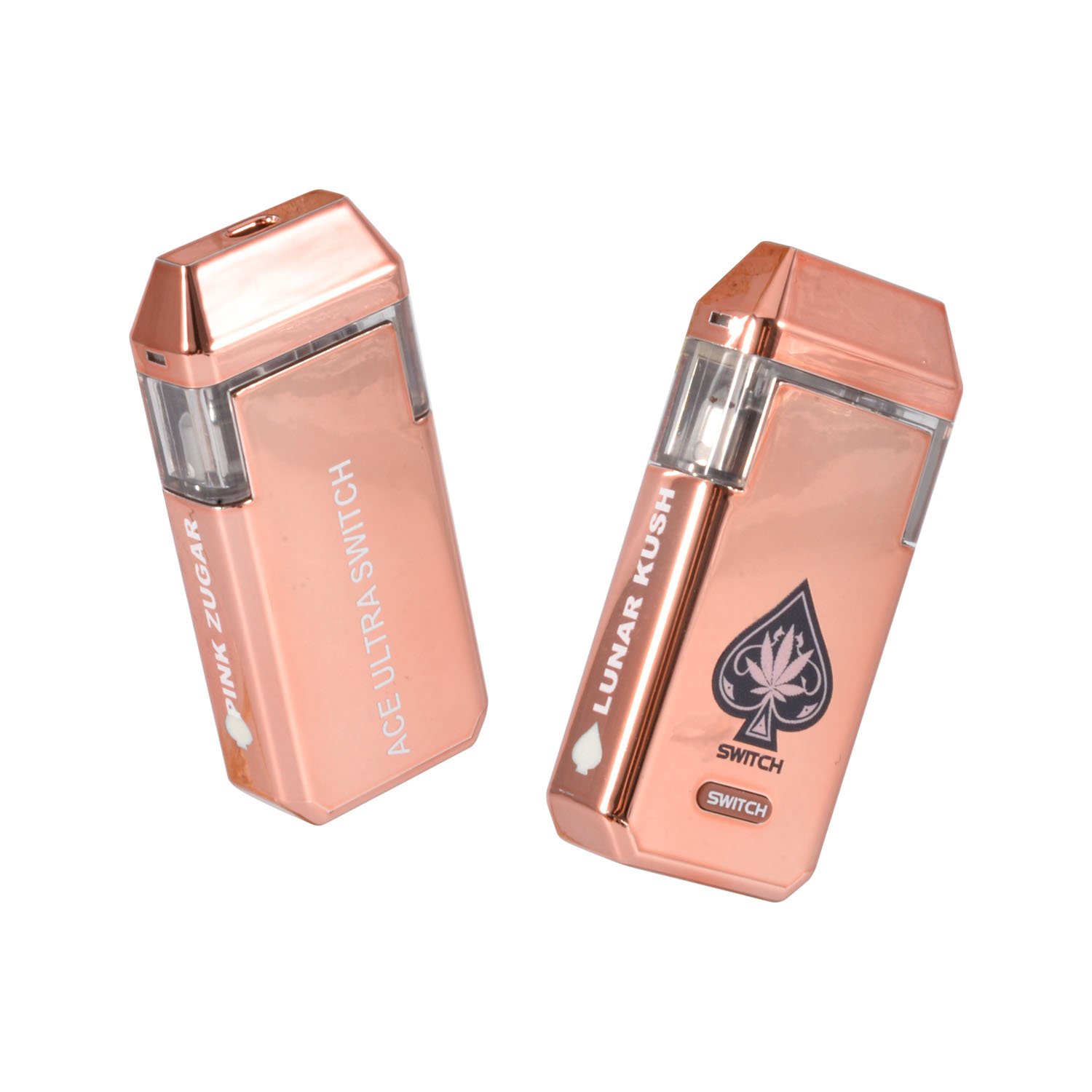
The Ace Ultra Switch is commonly described in the wholesale market as a 2g-class empty disposable device with a dual-chamber or switch-style format. Comparable listings describe configurations using two 1ml chambers rather than one single reservoir, which is worth confirming with your supplier before ordering.
For wholesale buyers, here are the practical points you should review.
The ace ultra switch belongs to a growing category of dual-chamber empty vape hardware. Rather than relying on a conventional single-tank layout, switch-style devices are designed around separate chambers that can support two oil formulations or flavor profiles in one piece of hardware.
Current wholesale listings for Ace Ultra Switch models describe 2ml total-capacity devices and, in some cases, explicitly identify a 1ml + 1ml configuration.
For you as a buyer, that format can affect several parts of your operation. You may need to consider separate filling procedures, chamber balancing, oil compatibility, sealing methods, and final quality-control testing.
Most importantly, confirm that the product is supplied as empty disposable hardware if that is what your business requires. Several wholesale suppliers in this category explicitly distinguish empty devices from products containing oil, nicotine, cannabis, concentrates, or other consumables.
A standard disposable device usually gives you one oil path to evaluate. A dual-chamber model gives you two.
That means your incoming quality-control process should look beyond exterior appearance. Before placing a substantial wholesale order, you should test whether both chambers perform consistently and whether switching between them works as expected.
When testing an ace ultra dual flavor configuration, evaluate both chambers independently. If one side heats differently, has different airflow, or seals less effectively, the user experience can become inconsistent.
Your sample testing can include:
Avoid assuming that specifications from one supplier automatically apply to another. Similar-looking hardware can come from different production runs or manufacturers.
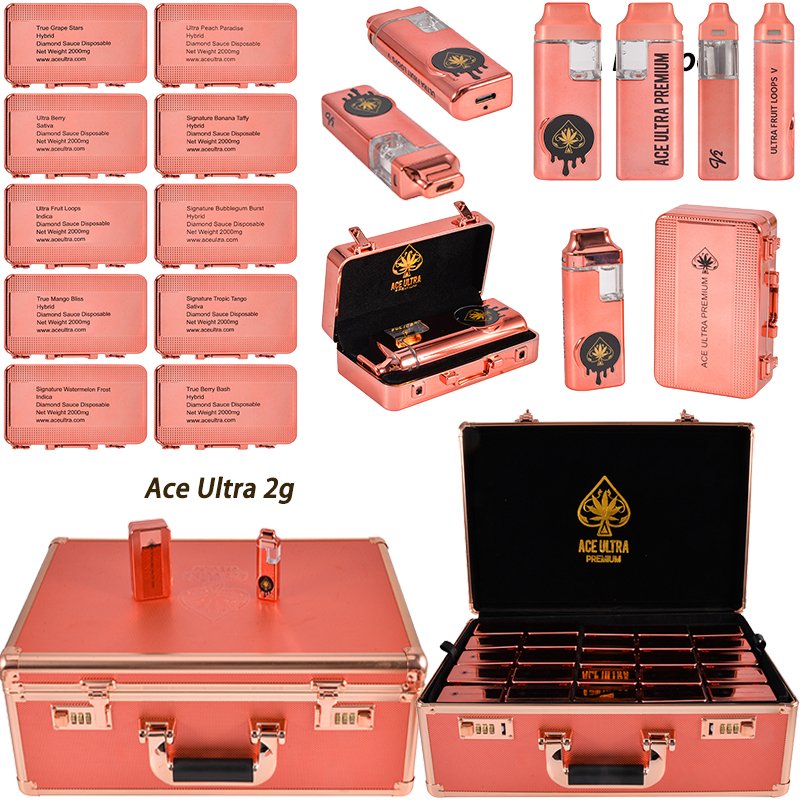
Buyers researching the Switch device will often encounter other Ace Ultra hardware at the same time, including ace ultra premium disposable models and various themed or differently packaged editions.
For example, wholesale listings currently show both Ace Ultra Switch dual-chamber hardware and Ace Ultra Premium 2g empty devices as distinct product formats.
That distinction matters when you are planning inventory.
A dual-chamber Switch product may require different packaging, filling equipment settings, testing procedures, and customer instructions from a conventional single-chamber model. You should therefore compare specifications rather than purchasing based primarily on branding or exterior design.
You may also encounter search terms such as rose ace ultra dispos when researching colorways, packaging styles, or reseller listings. Treat these naming variations carefully. Ask your supplier for exact model numbers, chamber specifications, photographs of the production unit, and packaging details so you know precisely what you are purchasing.
Wholesale hardware is easiest to manage when expectations are documented before production or shipment.
Ask your supplier to confirm the total device capacity and whether the advertised “2g” format means one 2ml chamber or two separate 1ml chambers. You should also clarify battery specifications, charging interface, coil construction, recommended oil-viscosity range, packaging quantities, minimum order quantity, and available customization options.
For larger orders, request representative samples from the same specification you intend to purchase.
You should also discuss quality-control procedures. A supplier should be able to explain how devices are checked for problems such as leakage, blocked airflow, battery failure, inconsistent heating, charging defects, or cosmetic damage.
Packaging is especially important when sourcing products that resemble an established branded design.
Before purchasing branded or branded-style hardware, verify that you have the legal right to use the relevant trademarks, logos, artwork, or packaging in your target market. Do not assume that the availability of a product from a wholesale seller automatically establishes authorization to use intellectual property.
If your goal is to develop your own brand, OEM or private-label hardware may provide a clearer route because you can define your own logo placement, colors, packaging, warning information, and product identification.
One of the most important wholesale lessons is simple: hardware that performs well with one formulation may behave differently with another.
Oil viscosity, terpene concentration, filling temperature, storage conditions, and wick or coil construction can all affect performance. For an ace ultra dual flavor device, you also need to consider whether the two formulations behave similarly enough for the hardware configuration you are using.
Run a controlled pilot batch before committing to a large-scale fill.
Check the devices immediately after filling and again after realistic storage intervals. Testing after transportation simulation can also help you identify issues that may not appear during initial filling.
It is tempting to compare suppliers only by the cost per device, especially when ordering hundreds or thousands of units. However, the lowest quoted price does not necessarily produce the lowest final cost.
Defects, leakage, packaging damage, inconsistent components, customs delays, replacement shipments, and manual rework can quickly outweigh a small unit-price difference.
Instead, calculate the effective cost of usable hardware.
A slightly higher-priced batch with consistent specifications and lower defect rates can be easier to integrate into your operation than a cheaper batch requiring extensive inspection and sorting.
The Ace Ultra Switch 2g format is best evaluated as a piece of production hardware rather than simply as a recognizable disposable design. If you are comparing it with an ace ultra premium disposable, researching rose ace ultra dispos, or considering another ace ultra dual flavor configuration, focus on the specifications that affect your actual workflow.
Confirm the chamber layout, request samples, test the hardware with your own formulation, review packaging and intellectual-property requirements, and document quality standards before placing a large wholesale order.
When you approach sourcing this way, you are better positioned to choose hardware based on consistency, compatibility, and operational requirements rather than appearance alone.
Get A Free Quote
Related blogs
Sample Disposable Vape Guide: How to Test Vape Hardware Before Bulk Ordering
Choosing the right disposable vape hardware can have a major impact on the performance and consistency of your finished product.
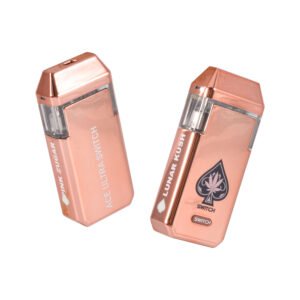
Ace Ultra Switch 2g Device: What Wholesale Buyers Should Know?
Ace Ultra Switch 2g Device: What Wholesale Buyers Should Know? If you source empty vape hardware for a brand, oil
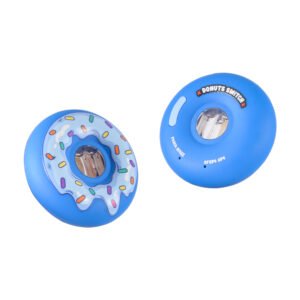
Why Dual Flavor Donuts Switch Hardware Is Ideal for Two-Flavor Vape Concepts?
Why Dual Flavor Donuts Switch Hardware Is Ideal for Two-Flavor Vape Concepts? The disposable vape hardware market is crowded. If